
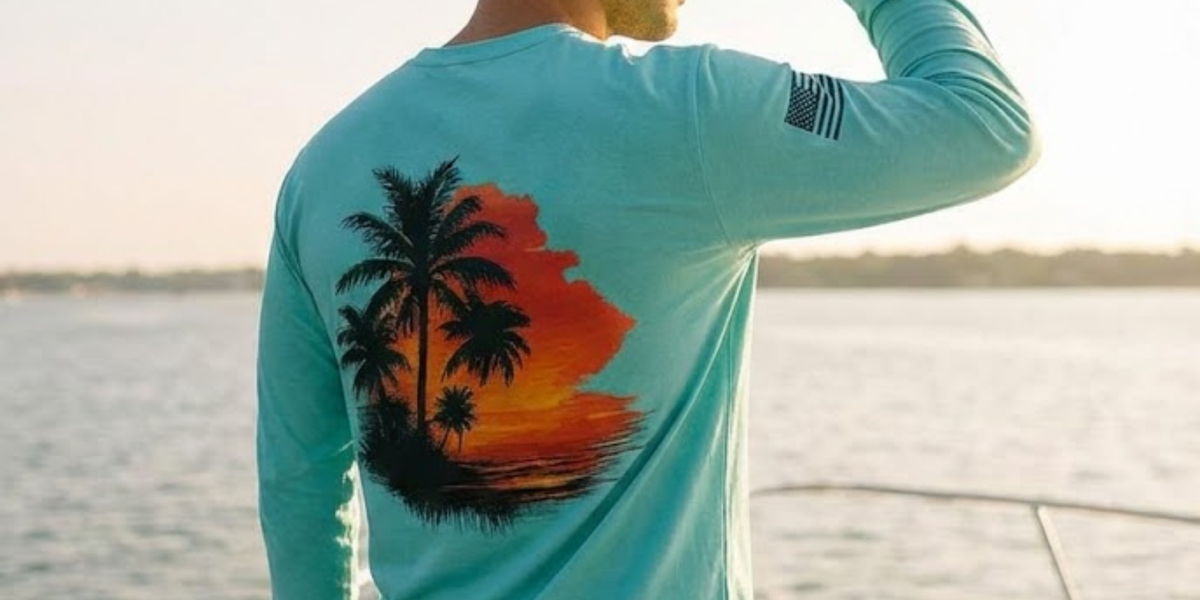
Comfort in clothing is a delicate balance, often attributed to fit. However, at Grace & Lux, we know the weight of the fabric plays a more significant, yet frequently overlooked, role. A perfectly fitted garment can still feel unbearable if the fabric is too heavy or unsuitable for the climate, while a slightly looser fit in a lightweight, breathable material can provide all-day comfort. This is especially true for active individuals or those living in warmer climates, where fabric weight can drastically affect body temperature and moisture management. Let's explore how different fabric weights impact comfort and how to choose the right materials for various activities and conditions, ensuring you always feel your best, no matter the situation.
The Impact of Fabric Weight on Comfort
Fabric weight is typically measured in grams per square meter (GSM) or ounces per square yard. Lighter fabrics (under 150 GSM) are ideal for warm weather, providing breathability and a barely-there feel. Heavier fabrics (over 250 GSM) offer durability and warmth, suitable for colder conditions but can feel restrictive in hot weather. The right weight ensures the garment complements the environment, enhancing overall comfort.
Choosing the Right Fabric Weight for Activities
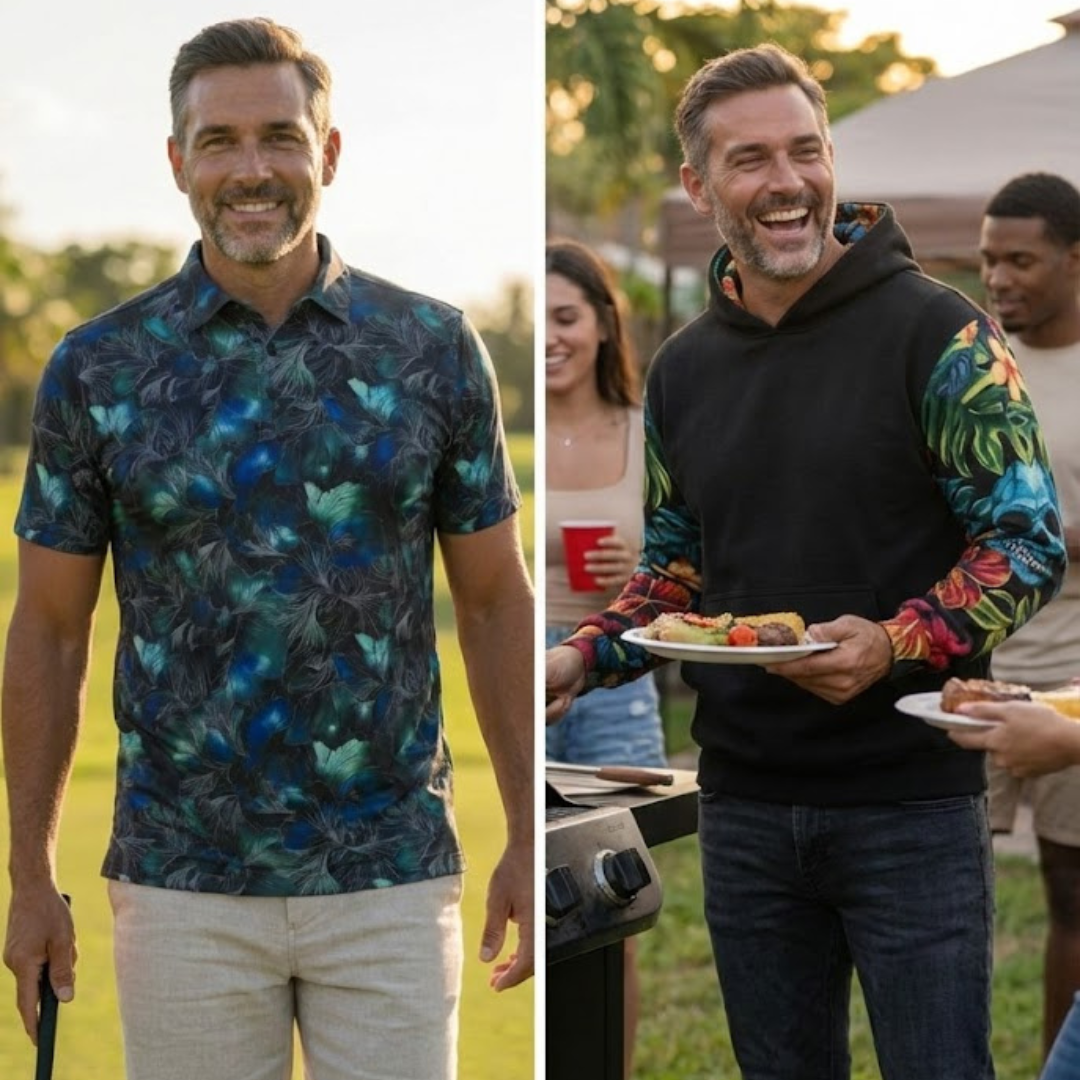
For high-performance activities like fishing or golf, the right fabric weight is crucial. Lightweight, moisture-wicking fishing shirts are essential for anglers, offering sun protection and breathability during long hours on the water. Similarly, golfers benefit from men's polo shirts made from lightweight, breathable fabrics that allow for a full range of motion without causing overheating. When selecting men's watches, consider lighter-weight watch bands for maximum comfort during these activities.
The Role of Material Composition
Beyond weight, the type of fiber significantly impacts comfort. Natural fibers like cotton and linen are breathable but may not wick moisture as effectively as synthetics. Materials like polyester and nylon, often used in sun protection shirts, are excellent for moisture management and durability. Blended fabrics combine the benefits of different fibers, offering a balance of comfort, performance, and longevity.
Optimizing Comfort in Any Climate
In warmer climates, prioritize lighter fabrics with moisture-wicking properties. Look for apparel made from materials that promote airflow and help regulate body temperature. In cooler climates, heavier fabrics provide insulation and protection from the elements. Layering different weights of fabric allows for adaptability, ensuring comfort in fluctuating conditions.

Conclusion
Ultimately, fabric weight is a key determinant of comfort, often more so than fit. By understanding how different weights and materials affect your body, you can make informed choices that enhance your overall experience, whether you're on the golf course, by the lake, or simply going about your day. At Grace & Lux, we believe that Style is your Superpower, Confidence is your Crown and that everyone deserves to feel confident and comfortable in what they wear. Explore our collection of apparel and accessories designed for everyday elegance and confident living today! Learn more about our commitment to quality and craftsmanship or contact us with any questions – we're here to help you find the perfect pieces that combine style, comfort, and performance.